Blog · Car culture
Porsche 911 generations: how to tell every 911 apart
From the original 1964 car to today's 992: a spotter's guide to every Porsche 911 generation, with the key years and the details that give each one away.
· 4 min read
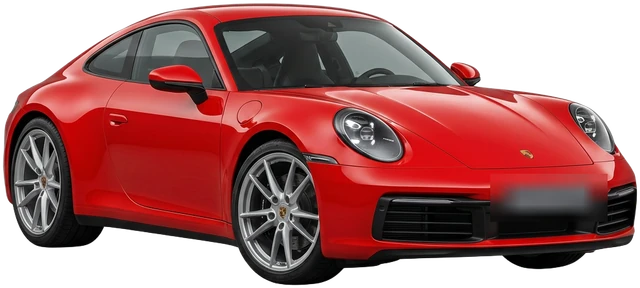
The Porsche 911 has been in production for more than 60 years, and it has kept the same basic shape the whole time: round headlights, a sloping roof and an engine hanging out behind the rear wheels. That makes it one of the most recognisable cars on the road, and one of the hardest to date. Here's how to tell each generation apart.
Every 911 generation at a glance
| Generation | Built | How to spot it | CarSpot tier |
|---|---|---|---|
| Original 911 | 1964–1973 | Slim chrome bumpers and a narrow body | Legendary |
| G-model | 1974–1989 | Chunky bumpers with rubber concertina bellows | Rare |
| 964 | 1989–1994 | Smooth bumpers and a spoiler that rises at speed | Rare |
| 993 | 1994–1998 | Low, sloping headlights and wide, rounded hips | Rare |
| 996 | 1997–2005 | Teardrop "fried egg" headlights | Uncommon |
| 997 | 2004–2012 | Oval headlights, with the indicators in the bumper | Uncommon |
| 991 | 2011–2019 | Thin tail lights that wrap around the rear corners | Rare |
| 992 | 2019–present | A full-width light bar on every version | Rare |
The original 911 (1964–1973)
The first 911 is the slimmest of them all. Look for thin chrome bumpers, a narrow body with no flared arches and small, simple tail lights. The most famous version is the 1973 Carrera RS 2.7, with its "ducktail" rear spoiler and Carrera script along the sides. Today it's one of the most collectable 911s of all, and in CarSpot it's a Unicorn.
The G-model (1974–1989)
New safety rules in the United States brought bigger, stronger bumpers, and they're the giveaway on a G-model: chunky bumpers with black rubber bellows, like a concertina, where they meet the body. The G-model ran for 16 years and includes the 3.2 Carrera, built from 1984 to 1989. The 911 Turbo (930), launched in 1975, added wide rear arches and a big rear spoiler: a "whale tail" on early cars and a flatter "tea tray" from 1978.
The 964 (1989–1994)
The 964 looks like a G-model at first glance, but the bellows have gone. Its bumpers are smooth and moulded into the body, and a rear spoiler rises automatically at speed, then sinks back into the engine cover. The 964 was also the first 911 sold with four-wheel drive, as the Carrera 4.
The 993 (1994–1998)
The 993 is the last air-cooled 911, which makes it a favourite with collectors. It's easy to spot once you know how: the headlights lie lower and flatter in the front wings instead of standing upright, and the body is smoother, with wider, more rounded rear hips.
The 996 (1997–2005)
The 996 was the biggest change in the 911's history: the first with a water-cooled engine and an all-new, larger body. The headlights are the clue. Early cars have teardrop-shaped lights with the indicators built in, known as "fried egg" headlights, which they shared with the Boxster. A facelift in 2002 gave every 996 the headlights from the 911 Turbo, which keep the same shape with clear indicator lenses.
The 997 (2004–2012)
The 997 brought back oval headlights, with separate lights for the indicators in the front bumper. Later 997s, from 2008, have LED daytime running lights in the front bumper and LED tail lights.
The 991 (2011–2019)
The 991 is longer and lower, with a longer wheelbase, and its tail lights are very thin strips that wrap around the rear corners. Later 991.2 cars, from late 2015, switched to turbocharged engines on the regular Carreras and have vertical slats on the engine cover.
The 992 (2019–present)
On today's 992, every version has a full-width light bar across the back, and the door handles sit flush with the body until you need them. In 2024 Porsche added the 911 Carrera GTS with its T-Hybrid system, the first hybrid road-going 911.
The special 911s worth looking out for
- 992 GT3: a big rear wing mounted from above on "swan-neck" supports.
- 992 GT3 RS: a giant wing whose top sits higher than the roof.
- 991 GT2 RS: NACA ducts, small sunken air intakes, in the bonnet.
- 992 Sport Classic: a ducktail spoiler and a "double-bubble" roof, with 1,250 built.
- 911 S/T: a lightweight special with 1,963 built, a nod to the year the 911 was revealed.
- 911 Dakar: a raised, off-road 911 with 2,500 built.
Special versions like these are rated separately in CarSpot, so spotting a GT3 RS gets you a different card from a standard Carrera. Our guide to how CarSpot rarity works explains why.
Quick 911 spotting checklist
Work down the list and stop at the first yes.
- A light bar across the whole back? It's a 992.
- Very thin tail lights that wrap around the corners? It's a 991.
- Oval headlights? It's a 997.
- Teardrop headlights? It's a 996.
- Low, sloping headlights and wide, rounded hips? It's a 993.
- Upright round headlights and smooth bumpers? It's a 964.
- Rubber bellows on the bumpers? It's a G-model.
- Slim chrome bumpers? It's an original 911.
See every Porsche in the CarSpot database on the Porsche page, or read our guide to identifying any car from a photo.