Blog · Car culture
Hypercar vs supercar: what's the difference?
What makes a hypercar different from a supercar? Power, price, production numbers and technology compared, with figures from the CarSpot database.
· 3 min read
"Supercar" and "hypercar" get used a lot, sometimes for the same car. There's no official definition of either, but car fans broadly agree on where the line falls. Here's what separates them, with real figures from the CarSpot car database.
What is a supercar?
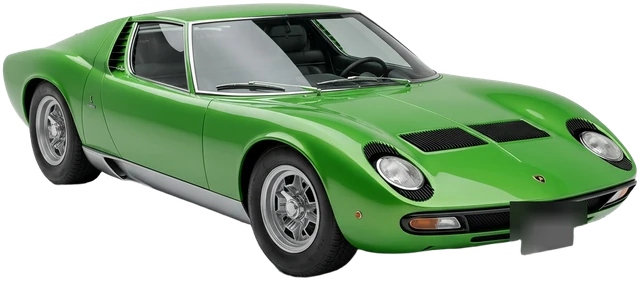
A supercar is an exotic, high-performance car built to be fast and look dramatic. Most are low, wide two-seaters with the engine mounted behind the seats, from makers such as Ferrari, Lamborghini, McLaren and Porsche. The Lamborghini Miura of 1966 is often called the first supercar.
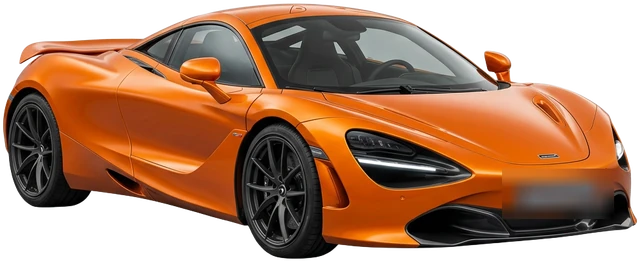
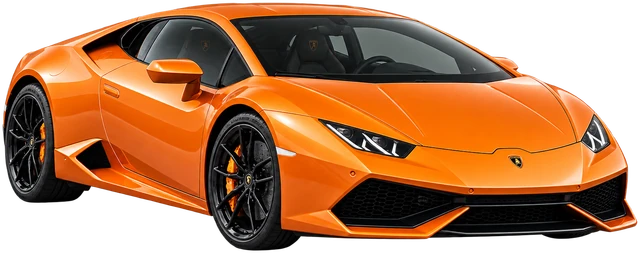
Modern examples include the Ferrari 296 GTB, the McLaren 720S and the Lamborghini Huracán. They're expensive and rare compared with everyday cars, but they're series-production models rather than strictly limited runs.
What is a hypercar?
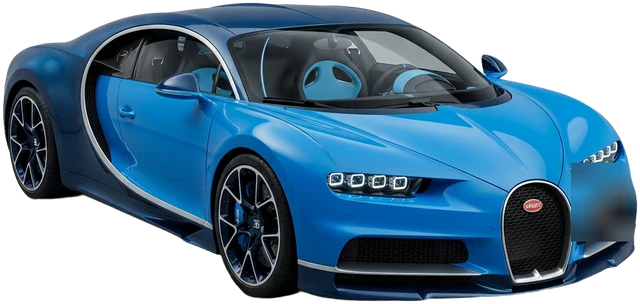
A hypercar is the step above: the fastest, most advanced and most exclusive car a maker can build, usually in a strictly limited run. The Bugatti Veyron of 2005, with its 16-cylinder engine and a top speed of more than 250 mph, is often called the first modern hypercar.
The word really took off in 2013, when the LaFerrari, the McLaren P1 and the Porsche 918 Spyder arrived within months of each other. All three are hybrids, and fans still call them the "holy trinity".
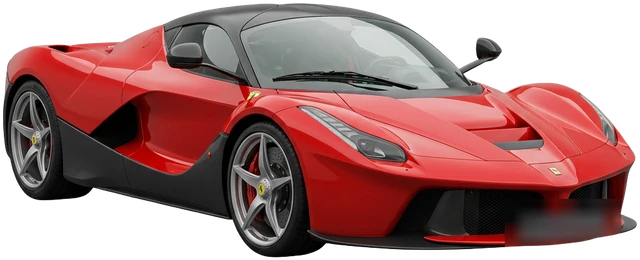 Unicorn
Ferrari LaFerrari
2013–2016
950 bhp · 217 mph
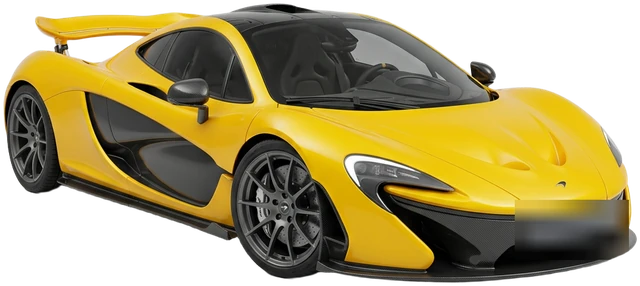 Unicorn
McLaren P1
2013–2015
903 bhp · 217 mph
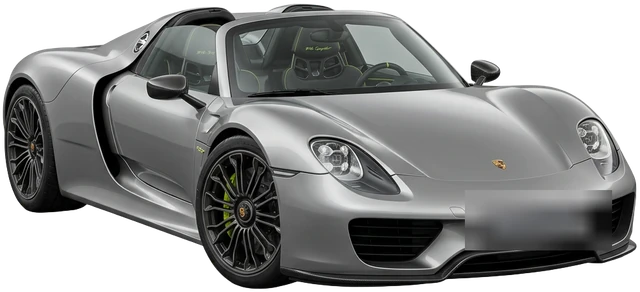 Unicorn
Porsche 918 Spyder
2013–2015
875 bhp · 214 mph
Supercar vs hypercar in numbers
We compared every road-going supercar and hypercar in the CarSpot database. "Typical" means the median: half the cars are above the figure and half are below it.
| Figure | Supercars | Hypercars |
|---|---|---|
| Models in the database | 332 | 120 |
| Typical power | 550 bhp | 864 bhp |
| Typical top speed | 194 mph (312 km/h) | 220 mph (354 km/h) |
| Typical 0–60 mph | 3.6 s | 2.8 s |
| Typical value | $225,000 (about £168,000) | $3,380,000 (about £2,520,000) |
| Typical production run | About 700 built (known for 257) | About 49 built |
Figures from the CarSpot database. Production numbers are the best available totals. Values are directional estimates for a typical example, not appraisals. Condition, mileage, history and specification all change what a real car is worth.
The key differences
Power and speed
Supercars are already very fast. Hypercars go further: the typical hypercar in our database has around 314 bhp more than the typical supercar, and many of the most powerful are hybrids or fully electric. See the fastest cars and the most powerful cars to see which models top each chart.
Price and production
This is the biggest gap. A new supercar is built in thousands, while most hypercars are built in hundreds or fewer and are often sold out before production starts, frequently to the maker's best existing customers. The typical hypercar is worth more than 15 times as much as the typical supercar. The rarest cars by production numbers list is full of them.
Technology
Hypercars are where makers show off. Carbon-fibre bodies, hybrid systems and active aerodynamics often appear on a hypercar first, then filter down to supercars a few years later.
The grey areas
The line isn't always clear. The Ferrari SF90 Stradale has 986 bhp, more than a LaFerrari, but Ferrari builds it as a series-production model, so CarSpot lists it as a supercar. Age blurs it too: classic supercars such as the Ferrari F40 and the Porsche Carrera GT were built in small numbers and are now worth hypercar money.
How they compare in CarSpot
Every car you spot in CarSpot becomes a card in one of six rarity tiers. Among hypercars, all 120 models are Unicorn cards. Among supercars, they range from Uncommon to Unicorn, depending on their value, power and how many were built.
Hypercars120 models
Unicorn 120
Our guide to how CarSpot rarity works explains how each tier is decided. Rarity is a collectible game mechanic, not an assessment of real-world scarcity or value.
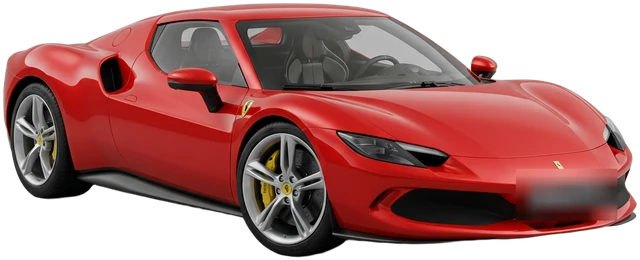 Epic
Ferrari 296 GTB
2022–present
819 bhp · 205 mph
 Epic
McLaren 720S
2017–2023
710 bhp · 212 mph
 Epic
Lamborghini Huracán LP 610-4
2014–2019
602 bhp · 202 mph
Where to see them
Supercars turn up in most big cities, especially near luxury hotels and dealers. Hypercars are much rarer on the road, so car shows and events are your best bet. If you're in London, our guide to where to spot supercars in London has the best places to start.